Kata Welch
In the Desert by Dave Elliott illustrated by Gordy Wright
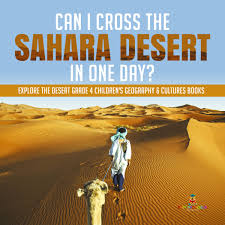
This is our third Red Clover Book that has to do with biodiversity. The is usually one Red Clover poetry poetry each year, and this one is it. The poems describe different animals that live in the Sahara. I was surprised to find out how physically diverse the Sahara area is. I pictured endless sand dunes and sand storms. There are also mountains, areas of gravel and the Nile River Delta. It is always nice to have one’s assumptions challenged and learn the world is more full of wonder than you think it is.
Elliott’s poetry and word play are delightful. I generally have a hard time deciding how to incorporate poetry books in my classes. This one will be fun.
This book is part of a series of picture books called Paws, Fins, Feathers and Claws all written by Dave Elliott but illustrated by different artists. Each book of poetry focuses on a different group of animals in different locations. Some could be classified as biomes, others are smaller groups such as farm animals. What makes this book stand out to me is the art. In Wright’s work, I feel as if I am in the Sahara. Elliott’s poetry and word play are delightful.
My ideas for using this book in classes:
Science:
Animal studies: I don’t like to use research projects in my library classes because I see students weekly for forty minutes and research projects can drag on and on and on. I might make an exception for this and do an animal study.
Climate change: The climate of the Sahara has changed over the last 20,000 years. At one point it was very humid and green, then it changed to its current climate. Humans had a part in that, and we can research how the climate has changed over the last 200 years and why.
Art:
The colors in the book lend themselves to landscapes. I would also love to do animal masks or use quilling or another paper craft to make animals. The texture in the art is inspiring.
Social Studies:
The geography of the Sahara would be amazing to study. This book shows the different microclimates in the area, and those would be interesting to research
Students could learn about Arab culture
The history of the area would also be interesting.
It could be paired with The Story of We, another 2026-2027 Red Clover Award nominee. See the next blog about that one.
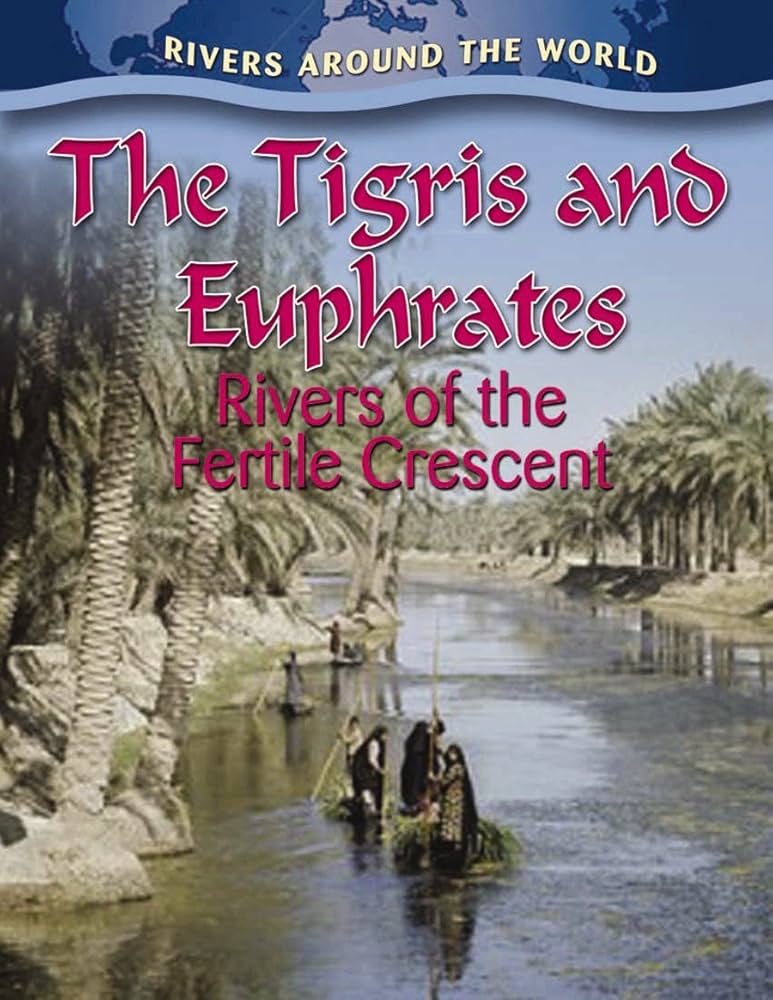
Another history connection could be the Fertile Crescent or the Ancient Egyptian civilizations.
Writing: The word play in the poems is fun. There are examples of forced rhyme, alliteration and onomatopoeia. Having students create poems containing these elements would be a fun way to teach poetry.
In fact, I could see teaming with the art teacher and creating a piece of art with a short poem and some facts about an animal. Obviously this book inspires me.
Related picture books:


Leave a comment